

Solar panels are becoming a caommon feature in homes. However, when it’s time to move, many homeowners wonder what to do with solar panels. Luckily, there are many options to consider. You can sell the home with the panels, transfer them, or explore other choices. First, it’s essential to understand the facts and debunk solar myths. Knowing the truth helps you make informed decisions, and that’s exactly what we’re here to help with. We’ll explain all your options and provide practical advice. By the end, you will know exactly what steps to take with your solar panels when moving.
Assess Your Solar Panel Ownership Status
One of the first steps in deciding what to do with solar panels when moving is determining your ownership status. If you own your solar panels outright, you have more flexibility in determining whether to sell the panels with your home or move them to a new location. On the other hand, if you lease your solar panels, your options might be more limited. Leasing agreements often include specific clauses about transferring or terminating the lease, which can impact your decision.

It is crucial to review the terms of your purchase or lease agreement. Many solar panel contracts have stipulations regarding what happens if you move. For example, lease agreements may include transfer fees or penalties for breaking the lease early. Understanding these obligations can help you avoid unexpected costs and legal issues.
Selling Your Home with Solar Panels
Solar panels can boost your home’s market value. Many buyers find homes with solar installations attractive due to potential energy savings. To determine how much value the panels add, consult a real estate professional experienced with solar-equipped homes. They can provide an accurate assessment, ensuring you set a competitive price.
When listing your home, it’s essential to highlight the presence of solar panels. Include information about the energy savings and any remaining warranties. Educate potential buyers about the benefits of solar energy and how it can reduce their utility costs. Providing clear and detailed information can make your property more appealing to environmentally conscious buyers.
Negotiating the sale of a home with solar panels can be straightforward if you understand the value they add. Be prepared to discuss how the panels impact overall energy savings and maintenance costs. Understanding the specifics can help you negotiate effectively, ensuring you get a fair price for your home.
Transferring Solar Panels to Your New Home
Before moving your solar panels, assess the feasibility. Not all homes are suitable for solar panels. Consider factors like roof orientation, shading, and structural integrity. Conduct a site assessment with a professional to determine if your new home can accommodate the panels efficiently. This step ensures you don’t invest in a move that won’t benefit you in the long run.
If you decide to transfer your solar panels, make sure to hire certified professionals. They will handle the safe removal, transport, and reinstallation of the panels. Reputable movers like Miami Movers for Less can ensure no damage occurs during the move. Proper handling is crucial to maintaining the panels’ efficiency and longevity. It’s also important to choose a moving company experienced with delicate equipment like solar panels.
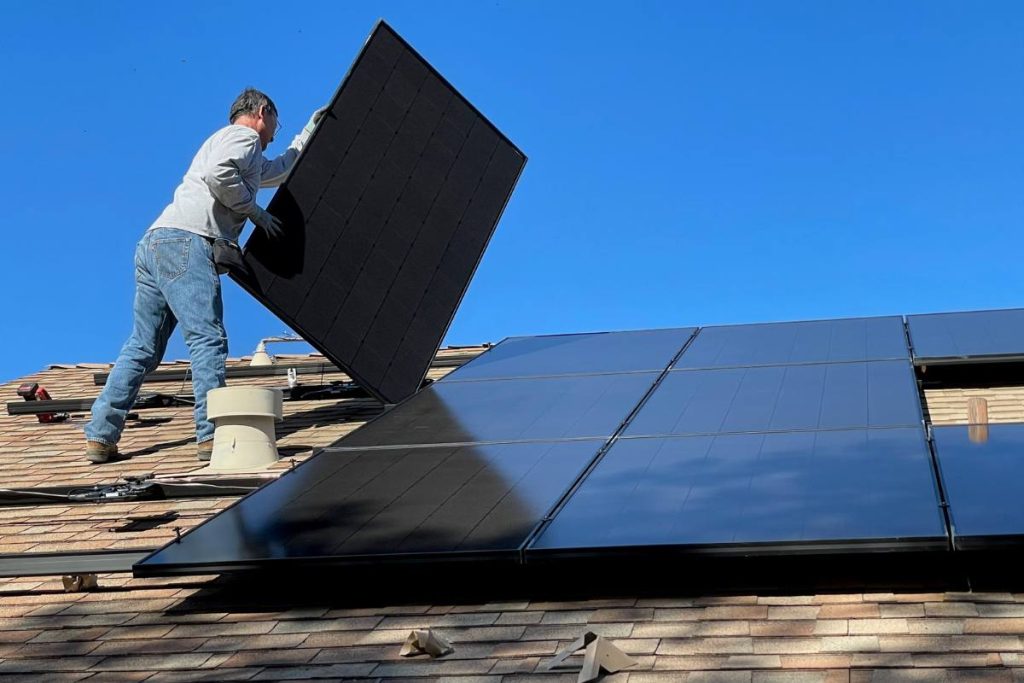
Transferring solar panels requires navigating local regulations and obtaining necessary permits. Regulations vary by location, so understanding the requirements in your new area is essential. Contact your local utility company and building department to ensure compliance with all relevant policies and guidelines. Staying informed about local laws can prevent delays and additional costs. Additionally, verify if your new location offers any incentives for solar installations, which can be an added benefit.
Other Options for Solar Panels When Moving
If you cannot or prefer not to move your solar panels, consider leasing or renting them out to the new homeowner. This option can provide a steady income stream, allowing the new owner to benefit from solar energy. Ensure the lease agreement is clear and legally binding to protect both parties.
Another option is to sell the solar panels independently from the property. There is a market for used solar panels, and you can find buyers through online marketplaces or local solar installers. While this option may not provide as much financial return as selling the home with the panels, it can be a viable alternative if moving the panels is impractical.
Financial Considerations
Moving can affect your eligibility for solar tax credits and incentives. Review the federal, state, and local incentives available to determine how your move impacts these benefits. Keeping track of financial incentives can help you decide what to do with your solar panels.
Adjust your insurance policies to cover your solar panels during the move. Inform your insurance provider about the relocation and ensure the panels are protected during transport and reinstallation. Additionally, check the warranty terms to ensure they remain valid after the move.
Practical Tips for Keeping Your Solar Panels Safe
To maintain the efficiency and performance of your solar panels, ensure they are handled carefully during the move. Regular maintenance checks before and after relocation can help identify and address any potential issues. Keeping the panels clean and free of debris can also enhance their performance. Also, choosing the right solar panel batteries can significantly improve your solar energy system’s overall efficiency and storage capabilities.
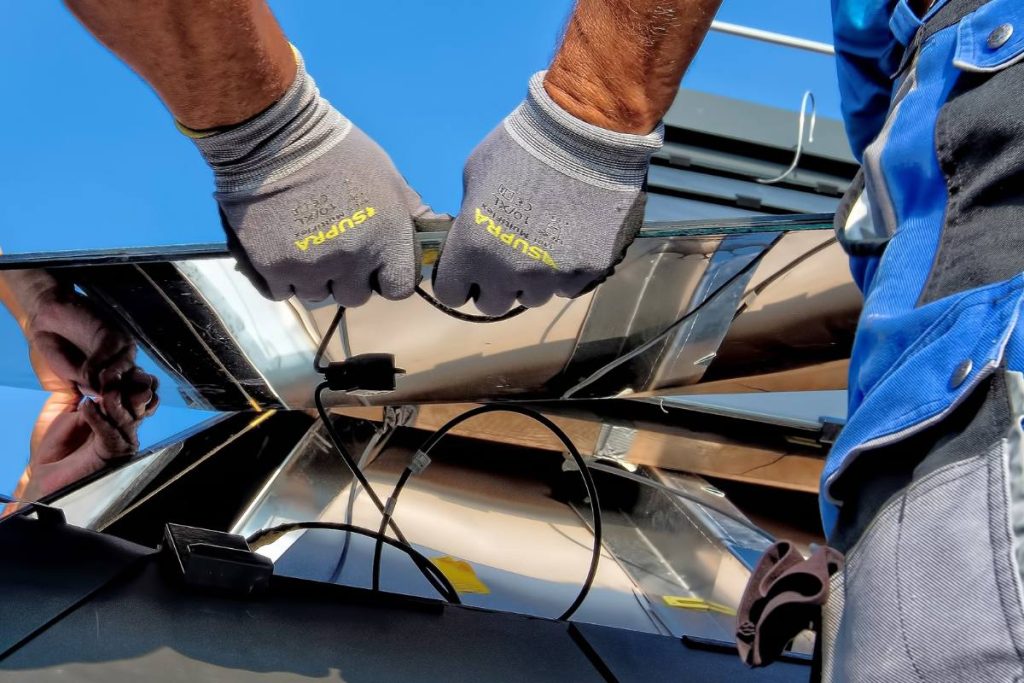
Keep all relevant parties informed throughout the process. This includes potential buyers, installers, and utility companies. Clear communication can prevent misunderstandings and ensure a smooth transition. Documenting the process can also be helpful for future reference.
Final Thoughts
Deciding what to do with solar panels when you move involves careful consideration of various factors. Whether you choose to sell your home with the panels, transfer them to a new property, or explore other options, making an informed decision is essential. By understanding your ownership status, evaluating your options, and considering financial and practical aspects, you can also maximize and enjoy the benefits of your solar investment in your new home.