

Transitioning to solar energy is an exciting and sustainable choice for any new homeowner. With increasing awareness of environmental issues and the rising cost of electricity, more people are considering solar power as a viable option. Solar energy harnesses the sun’s power through photovoltaic cells, converting sunlight into electricity. This clean and renewable energy source offers numerous benefits, including reduced utility bills, a smaller carbon footprint, and potential increases in property value.
Assessing Solar Potential for Your New Home
Before diving into the transition, it’s essential to assess your home’s solar potential. Factors such as the amount of sunlight your location receives, roof orientation, and shading from trees or nearby buildings play a crucial role in the efficiency of solar panels. Homes in sunny regions with south-facing roofs typically have the highest potential for solar energy production. Using online tools and consulting with solar professionals can provide a clearer picture of your home’s suitability for solar power.
Understanding the Financial Aspects
One of the significant considerations when transitioning to solar energy is the financial aspect. While the initial investment for solar panels can be substantial, it’s essential to view this as a long-term investment. Many regions offer incentives, rebates, and tax credits that can significantly offset the initial cost. Additionally, various financing options, such as solar loans and power purchase agreements, can make the transition more affordable. Understanding the return on investment and the potential savings on your electricity bills over time is crucial for making an informed decision.
Choosing the Right Solar Panels
Selecting the right type of solar panels is a critical step in the transition process. Solar panels come in several varieties such as monocrystalline, polycrystalline, and thin-film. Each type presents unique advantages and drawbacks in terms of efficiency, cost, and space usage. For instance, monocrystalline panels are highly efficient and compact but typically more costly. Polycrystalline panels offer a more economical option with slightly lower efficiency. Thin-film panels, on the other hand, are versatile and well-suited for specific installations, though they may need more space. Researching and consulting with solar professionals can help you choose the best panels for your specific needs and budget.
Evaluating Installation Options
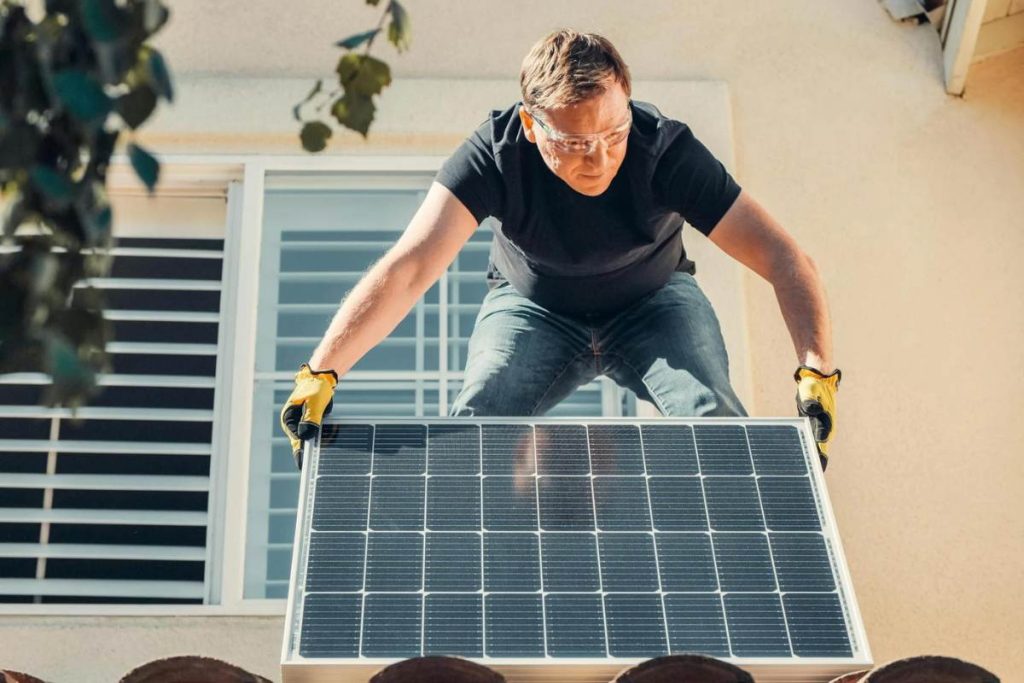
When it comes to installation, you have several options. You can hire a professional solar installer, which is recommended for ensuring proper and safe installation. Professional installers can also help with the necessary permits and inspections. Alternatively, if you’re handy and have experience with electrical work, you might consider a DIY installation. However, this option requires careful consideration of local regulations, safety standards, and technical knowledge. Weighing the pros and cons of each option will help you determine the best approach for your situation.
Navigating Permits and Regulations
Navigating permits and regulations is an essential aspect of transitioning to solar energy. Each region has specific building codes, zoning laws, and permit requirements that must be adhered to. Failing to obtain the necessary permits can result in fines and complications down the line. Working with a reputable solar installer can simplify this process, as they are familiar with local regulations and can handle the paperwork on your behalf. Ensuring compliance with all legal requirements will prevent future issues and ensure a smooth transition to solar power.
Integrating Solar Energy with Your New Home’s Design
Integrating solar energy into your new home’s design can enhance its aesthetic appeal and functionality. Modern solar panels come in various designs, including sleek, low-profile options that blend seamlessly with your roof. Some homeowners even opt for solar shingles, which integrate directly into the roofing material for a more streamlined look. Additionally, consider how solar panels will affect your home’s overall design and curb appeal. Thoughtful placement and integration can make your solar-powered home both efficient and visually appealing.
Planning for Energy Storage
One of the key considerations in transitioning to solar energy is planning for energy storage. Solar panels generate electricity during the day, but you’ll need a way to store excess energy for use at night or during cloudy days. Battery storage systems, such as lithium-ion batteries, are a popular solution. These batteries store excess solar energy, providing a reliable power source when sunlight is unavailable. While adding a battery storage system increases the initial cost, it enhances energy independence and reliability. Understanding the different storage options and their benefits will help you make an informed decision.
Maintenance and Longevity of Solar Panels
Maintaining your solar panels is crucial for ensuring their longevity and optimal performance. Fortunately, solar panels require minimal maintenance compared to other home systems. Regular cleaning to remove dirt, leaves, and debris is typically sufficient. It’s also important to monitor the system’s performance and address any issues promptly. Most solar panels come with warranties that cover defects and performance issues for a certain period, providing peace of mind. Understanding the maintenance requirements and warranty terms will help you keep your solar system running smoothly for years to come.
Overcoming Moving Day Challenges
Transitioning to solar energy while moving into a new home can present unique challenges. Moving day is often hectic, with many tasks demanding your attention. However, with careful planning and organization, you can overcome challenges and ensure a smooth transition. Prioritize setting up essential services, including electricity, to avoid any disruptions. Coordinate with your solar installer to schedule the installation at a convenient time, ideally before or shortly after moving in. Proper planning and communication with all parties involved will help mitigate stress and ensure a seamless transition to your solar-powered new home.

Monitoring and Optimizing Solar Energy Usage
Once your solar panels are installed and operational, monitoring and optimizing energy usage is key to maximizing benefits. Modern solar systems often come with monitoring tools that allow you to track energy production and consumption in real-time. Analyzing this data helps you understand your energy usage patterns and identify opportunities for improvement. Simple changes, such as adjusting appliance usage to coincide with peak solar production times, can enhance efficiency. Staying informed about your system’s performance and making adjustments as needed will ensure you get the most out of your solar investment.
Conclusion: Transitioning to Solar Energy Smoothly
Transitioning to solar energy in a new home is a rewarding and forward-thinking decision. By assessing your home’s solar potential, understanding the financial aspects, choosing the right panels, and navigating permits and regulations, you can ensure a successful transition. Integrating solar energy with your home’s design, planning for energy storage, and maintaining your system will maximize benefits and longevity. By monitoring and optimizing energy usage and exploring additional sustainable practices, you can create an eco-friendly, efficient, and comfortable home.