
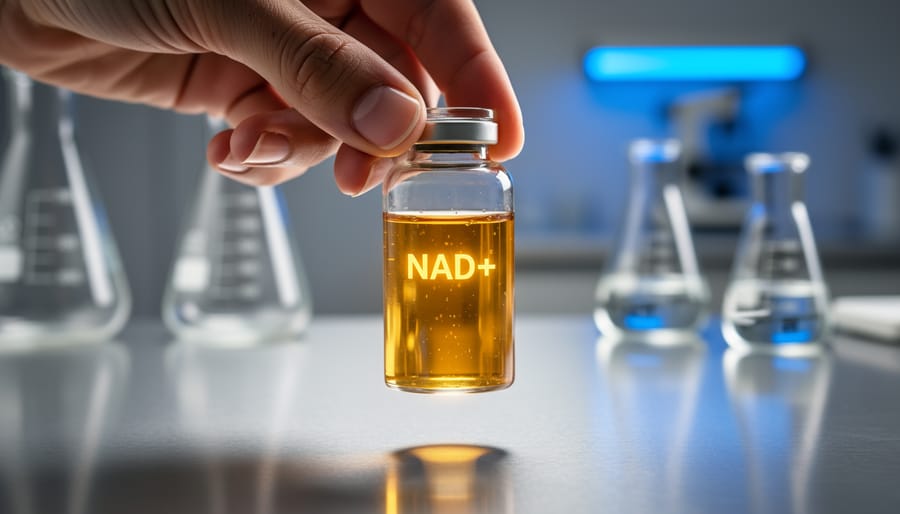
Sirtuins are a family of enzymes that help cells repair DNA, manage energy, and respond to stress, and they can only do that work when they have a molecule called NAD+ (nicotinamide adenine dinucleotide) to draw on, such as the kind supported by https://kylopeptides.com/product/nad-nasal/. Think of NAD+ as the fuel and sirtuins as the engines it runs. Researchers studying ageing biology are keenly interested in this partnership because NAD+ levels appear to decline with age in several tissues, which may change how well sirtuins can do their job. Some people exploring this area look at various options, though the science itself is still being written.
Why does it matter beyond the lab? Cells run on energy, and keeping that energy system efficient is a bit like keeping a solar array well maintained. Small, steady improvements in how a system manages power tend to pay off over the long term. This article explains what sirtuins and NAD+ are, how they work together, the seven human sirtuins, and where current research is heading.
Key Takeaway: NAD+ powers sirtuins, and sirtuins help cells maintain and repair themselves. Researchers are actively exploring how this partnership shifts over time, so treat it as a promising area of study rather than settled fact.
Let’s start with the basics and build from there.
What Sirtuins and NAD+ Mean in Plain Language
Why Researchers Pair Them Together
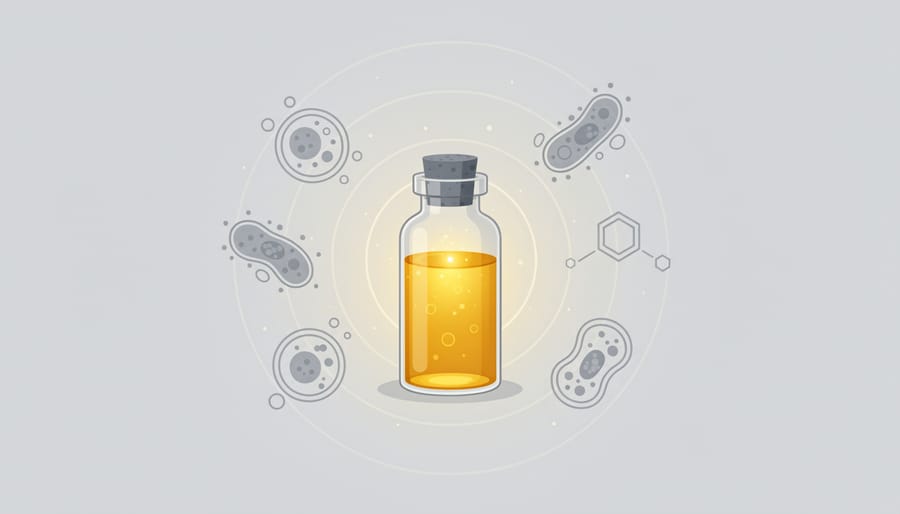
Sirtuins can’t do their job without NAD+. These proteins act as deacetylases, meaning they strip small chemical tags off other proteins, and each time they do, they consume a molecule of NAD+. Researchers describe this as NAD+-dependent deacetylation and it is the core reason the two are studied together. Think of it like the solar energy process: panels only deliver value when sunlight keeps arriving, and sirtuins only work when NAD+ keeps arriving.
Here is a quick glossary of the terms you’ll see most often:
- Sirtuin
- A family of proteins that help cells manage repair, stress response, and energy use.
- NAD+
- A helper molecule found in every living cell that supports energy production and fuels sirtuins.
- Coenzyme
- A small molecule that an enzyme needs in order to carry out its reaction.
- Deacetylase
- An enzyme that removes acetyl tags from proteins, changing how those proteins behave.
- Mitochondria
- The tiny structures inside cells that convert nutrients into usable energy.
- Cellular metabolism
- The sum of chemical reactions a cell uses to build, break down, and power itself.
Because supply shapes activity, researchers often ask how NAD+ availability changes over time.
How Sirtuins and NAD+ Work Inside the Cell

The NAD+ Supply Chain: Making, Using, and Recycling
Cells don’t store a big reserve of NAD+ and hope for the best. They keep it topped up through three linked routes, much like a well-run energy system that generates, stores, and reuses power. If you’ve read up on solar battery basics the logic will feel familiar: a steady supply matters just as much as the capacity to hold it.
The first route is building NAD+ from dietary precursors. These are small molecules, such as forms of vitamin B3 (niacin, nicotinamide, and nicotinamide riboside), that cells convert into NAD+ step by step. Tryptophan, an amino acid found in protein-rich foods, can also feed into this process.
The second route is use. NAD+ takes part in hundreds of reactions, including the ones sirtuins perform. When a sirtuin removes a chemical tag from a protein, it consumes NAD+ and releases a leftover piece called nicotinamide.
The third route is recycling. Cells run a “salvage pathway” that turns nicotinamide back into NAD+, so the supply keeps cycling instead of running out. Researchers think the balance between making, using, and recycling may shift with age, which is one reason this supply chain is studied so closely.
The Seven Sirtuins and What Each One Does
Mammals have seven sirtuins, called SIRT1 through SIRT7, and a handy way to keep them straight is by where each one does its work. Some tend the cell’s control center, some work in the fluid around it, and some operate inside the mitochondria, the tiny structures that generate most of a cell’s usable energy. Here’s the overview researchers commonly use:
- SIRT1 works mainly in the nucleus (and moves into the cytoplasm), helping regulate stress response, metabolism, and gene activity.
- SIRT2 sits mostly in the cytoplasm, where it’s linked to cell division and the upkeep of the cell’s internal scaffolding.
- SIRT3 lives in the mitochondria and is closely tied to energy production and the cell’s defense against oxidative stress.
- SIRT4 also works in the mitochondria, where it appears to help manage how cells handle fuel sources like amino acids and fats.
- SIRT5 operates in the mitochondria too, supporting waste handling and the processing of certain metabolic byproducts.
- SIRT6 is found in the nucleus and is associated with DNA repair, genome stability, and glucose metabolism.
- SIRT7 is concentrated in the nucleolus, a region of the nucleus, where it’s connected to the production of ribosomes, the cell’s protein-making machinery.
Notice how neatly the locations map to jobs. Nuclear sirtuins lean toward protecting and organizing DNA, cytoplasmic ones support cell structure and signaling, and mitochondrial ones keep the energy systems running smoothly. All seven rely on NAD+ to function, which is why the two are studied together.
It’s worth keeping the picture in proportion, though. The roles above are working summaries, not final answers. Much of what we know comes from experiments in cultured cells and animal models like mice, and scientists are still mapping where the sirtuins overlap, where they differ, and how they influence one another. That’s what makes this such an encouraging field to follow: each new study sharpens the map a little more.

How Sirtuin and NAD+ Research Is Used in Ageing Biology
Researchers use sirtuin and NAD+ background as a practical toolkit for asking how cells keep running well over time. Most of this work happens in cell cultures and animal models, where conditions can be controlled and changes tracked closely.
In these models, scientists study several linked questions. How does a cell’s energy output change as it ages? How well does it repair DNA damage? How do inflammation and metabolic health shift along the way? Because sirtuins sit at the crossroads of all three, they make a useful lens. Measuring sirtuin activity, or NAD+ levels, gives researchers a readout of how a cell is coping, and some studies treat sirtuins as potential markers or targets to test.
Researchers also explore what influences these pathways. That includes NAD+ precursors, which are dietary building blocks the body can convert into NAD+, as well as lifestyle factors like exercise and calorie patterns. In mice, for example, supplying a precursor such as nicotinamide riboside has been reported to raise NAD+ levels and improve certain measures of metabolic and muscle function. Studies of calorie restriction in animals have also linked sirtuin activity to longevity-related effects, which helped spark interest in the field.
It helps to separate what is established from what is still emerging. That NAD+ is essential and that sirtuins depend on it is well supported. Whether boosting NAD+ meaningfully improves ageing outcomes in people is still early-stage, with human trials ongoing and results so far mixed and limited.
That mix of solid foundations and open questions is part of the appeal. Much like asking how long solar lasts researchers want to understand what keeps a complex system performing well over the long haul, and each careful study adds a piece to that picture.
Common Questions About Sirtuins and NAD+
Do NAD+ levels really decline with age?
In many studies, tissue NAD+ levels appear lower in older animals and in some human samples. Results vary by tissue and method, so researchers treat it as a promising pattern rather than a settled rule.
Are sirtuins the same as NAD+?
No. Sirtuins are proteins that do the work, while NAD+ is the helper molecule they need to function.
Can lifestyle influence these pathways?
Activity, diet, and sleep rhythm are all studied for their effects on NAD+ and sirtuin activity, mostly in lab and animal research.
Is research on humans conclusive?
Not yet. Most findings come from cells and animals, and human studies are still building the evidence.
A good place for new researchers to start is with review articles from established journals, which map the field before you dive into individual studies. This article is educational background only, not medical advice, so check with a qualified professional before making any health decisions.
Sirtuins and NAD+ make a remarkable pair. NAD+ is the helper molecule found in every living cell, and sirtuins are the proteins that put it to work, guiding DNA repair, stress response, and energy balance. Because sirtuins can’t function without NAD+, researchers study them together, and that partnership sits at the heart of much of today’s ageing biology.
What makes the field so encouraging is how much there is still to learn. Many findings come from cell and animal studies, and scientists are steadily mapping what each of the seven sirtuins does and how NAD+ levels shift over a lifetime.
There’s a familiar lesson here for anyone who values dependable energy. A well-built solar installation keeps delivering because it’s maintained and steadily replenished by the sun. Cells follow a similar principle: they thrive when their energy systems stay supplied and cared for. If this topic has sparked your curiosity, keep reading credible, peer-reviewed research, and enjoy watching the science unfold.