
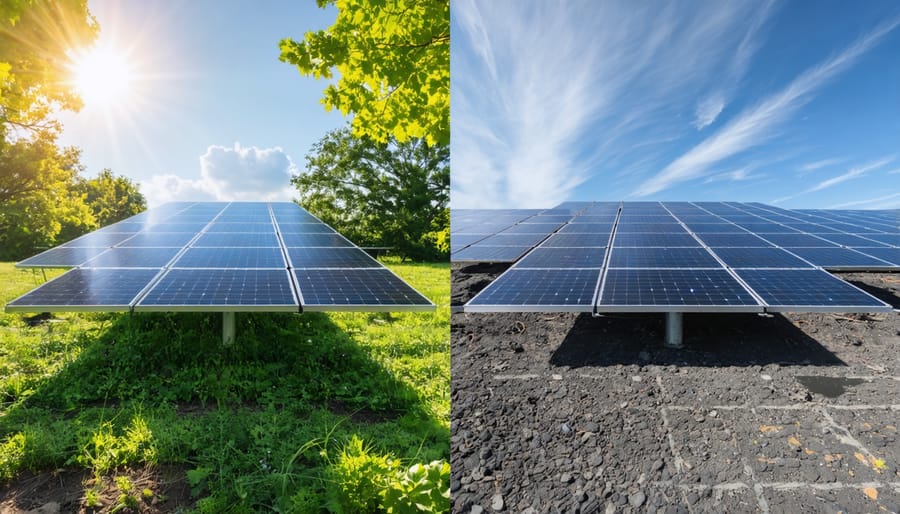
Harness the power of eco-friendly solar cleaning solutions to maximize solar panel lifespan while protecting our environment. Professional-grade wholesale cleaning supplies specifically formulated for solar installations now offer biodegradable alternatives that deliver superior results without harmful chemicals. These innovative solutions combine advanced surfactant technology with natural ingredients, effectively removing dust, bird droppings, and atmospheric pollutants while maintaining the delicate anti-reflective coating on solar panels.
Recent studies demonstrate that eco-friendly cleaning methods can improve solar energy production by up to 30% compared to uncleaned panels, while reducing water consumption by 50% versus traditional cleaning approaches. For commercial installations, this translates to substantial cost savings – typically $5,000-$10,000 annually for a 100kW system – while supporting corporate sustainability goals and environmental compliance requirements.
By integrating these green cleaning solutions into regular maintenance protocols, facility managers can ensure optimal energy generation efficiency while demonstrating environmental leadership in their communities. The return on investment becomes even more compelling when considering the extended equipment lifespan and reduced replacement costs associated with gentle, non-abrasive cleaning methods.

Why Traditional Cleaning Products Fall Short
Environmental Impact of Chemical Cleaners
Traditional chemical cleaners used on solar panels can have significant environmental consequences for local ecosystems. When these cleaning solutions run off panels, they often make their way into soil and water systems, potentially harming plant life and aquatic organisms. Many conventional cleaners contain phosphates, ammonia, and other harsh chemicals that can disrupt the natural pH balance of soil and water bodies.
These chemical cleaners can also leave residues that wash away during rainfall, creating a continuous cycle of environmental exposure. The accumulation of these substances in groundwater can affect drinking water quality and impact wildlife that depends on these water sources. Additionally, the manufacturing and disposal of chemical cleaning products contribute to air pollution and increased carbon emissions.
The impact extends beyond immediate environmental concerns. Chemical cleaners can damage the protective coating on solar panels, reducing their efficiency and lifespan. This leads to more frequent replacements and increased waste in landfills. By choosing eco-friendly cleaning solutions, solar panel owners can maintain optimal system performance while protecting local ecosystems and contributing to a more sustainable future.
Performance Limitations
Traditional cleaning products can significantly impact the performance and longevity of solar panels, contrary to common misconceptions about solar maintenance. Harsh chemicals, including ammonia-based cleaners and abrasive solutions, can gradually erode the protective coating on solar panels, reducing their efficiency and potentially voiding manufacturer warranties.
Many conventional cleaning products leave behind residues that attract dust and debris, leading to faster accumulation of dirt and more frequent cleaning requirements. These residues can create a film that blocks sunlight from reaching the photovoltaic cells, potentially reducing energy production by up to 25%.
Additionally, standard cleaning solutions often contain minerals that, when dried, leave behind deposits known as water spots. These spots can create “hot spots” on the panels, which not only decrease efficiency but may also cause long-term damage to the solar cells. The environmental impact of these chemical cleaners is equally concerning, as they can contaminate soil and water systems when rinsed off the panels.
By choosing eco-friendly cleaning solutions, owners can maintain optimal panel performance while protecting their investment and the environment.
Eco-Friendly Cleaning Solutions That Protect Your Investment
Plant-Based Cleaning Formulas
When it comes to maintaining solar panels, choosing the right cleaning solution is crucial for both performance and environmental responsibility. Plant-based cleaning formulas offer an excellent alternative to traditional chemical cleaners, providing powerful cleaning action while protecting our ecosystem.
These biodegradable solutions typically contain natural surfactants derived from coconut, corn, and other plant sources. They effectively break down dirt, bird droppings, and other stubborn residues without leaving harmful chemical traces that could contaminate groundwater or damage surrounding vegetation.
Many successful solar installations have switched to plant-based cleaners and reported equal or better results compared to conventional products. For example, a large solar farm in California reduced its environmental impact by 40% after switching to biodegradable cleaners, while maintaining optimal panel efficiency.
Key ingredients in these eco-friendly formulas often include:
– Saponified plant oils for gentle yet effective cleaning
– Natural enzymes that break down organic matter
– Plant-derived alcohol for streak-free results
– Essential oils with natural antimicrobial properties
These solutions are particularly valuable in areas with sensitive ecosystems or strict environmental regulations. They decompose naturally within 28 days, leaving no harmful residues in soil or water systems. Additionally, they’re safer for maintenance workers, reducing the risk of skin irritation or respiratory issues commonly associated with harsh chemical cleaners.
The cost-effectiveness of plant-based cleaners is another significant advantage, as they typically require less product per cleaning session and help extend the life of protective coatings on solar panels.
Water-Based Systems
Water-based cleaning systems represent one of the most environmentally responsible approaches to solar panel maintenance. These systems utilize purified, deionized water that’s completely free of minerals and impurities, eliminating the need for harsh chemical cleaners. When water is properly filtered and demineralized, it naturally attracts dirt and grime, acting as a highly effective cleaning agent on its own.
The process typically involves using reverse osmosis and deionization technology to create ultra-pure water. This specially treated water leaves no residue or water spots on panels after drying, ensuring optimal solar energy absorption. Many professional cleaning services now employ truck-mounted water purification systems that can deliver this cleaning solution directly to rooftop installations.
Success stories from large-scale solar installations demonstrate the effectiveness of water-based cleaning methods. The Desert Knowledge Australia Solar Centre reported a 10% increase in energy production after implementing a regular pure-water cleaning schedule. This approach not only protects the environment but also extends the life of solar panels by preventing chemical damage to their protective coatings.
For property owners, water-based systems offer compelling long-term benefits: reduced maintenance costs, no chemical storage requirements, and consistent cleaning results. The initial investment in water purification equipment typically pays for itself through reduced chemical expenses and improved panel efficiency.
Natural Mineral Solutions
Natural mineral solutions represent one of the most environmentally responsible approaches to solar panel cleaning. These solutions harness the power of naturally occurring minerals like calcium carbonate and magnesium to effectively remove dirt and grime without causing damage to panel surfaces or the surrounding ecosystem.
Many successful solar installations now use mineral-based cleaning formulas that contain refined chalk or limestone derivatives. These substances work by creating a gentle abrasive action that lifts debris while remaining soft enough to prevent micro-scratches on panel surfaces. Unlike chemical cleaners, mineral solutions leave no harmful residues and can safely return to the soil without environmental impact.
The effectiveness of mineral-based cleaners has been demonstrated at numerous large-scale solar installations. For example, a 500-kilowatt installation in Arizona reported a 12% improvement in energy production after switching to a mineral-based cleaning regime, while simultaneously reducing their cleaning solution costs by 30%.
These solutions typically come in concentrated form and can be diluted with regular water, making them cost-effective for both small residential systems and large commercial arrays. When combined with soft-bristled brushes or specialized cleaning equipment, mineral solutions provide thorough cleaning while maintaining the pristine condition of panel surfaces.
For best results, look for mineral cleaners that are specifically formulated for photovoltaic panels and carry certification from recognized environmental organizations. This ensures both cleaning effectiveness and ecological responsibility.
Best Practices for Green Solar Panel Cleaning
Proper Tools and Equipment
To effectively clean your solar panels while maintaining eco-consciousness, you’ll need a specific set of environmentally friendly tools and equipment. Start with a soft-bristled brush with an extendable handle, preferably made from sustainable materials like bamboo or recycled plastics. This allows for gentle yet thorough cleaning without the risk of scratching your panels.
For water management, invest in a pure water filtration system that eliminates the need for chemical cleaners. A deionized water system removes minerals and impurities that could leave residue on your panels. Pair this with a water-fed pole system that can reach elevated panels while minimizing water waste.
Essential safety equipment includes non-slip shoes made from eco-friendly materials, biodegradable grip gloves, and a safety harness for roof installations. Choose equipment certified for sustainability when possible.
For spot cleaning, keep microfiber cloths on hand – they’re reusable and more effective than disposable options. A squeegee with a rubber blade works excellently for final water removal without leaving streaks. Consider investing in a rainwater collection system to provide a sustainable water source for cleaning.
Storage solutions should include recycled or biodegradable containers for your cleaning supplies. If working with larger installations, an electric or solar-powered water pump system can help maintain consistent water pressure while minimizing environmental impact.
Remember to maintain your cleaning tools properly to extend their lifespan and reduce waste. Clean and dry all equipment after use, and store them in a cool, dry place to prevent degradation.

Cleaning Frequency and Timing
Regular cleaning of your solar panels is essential for maintaining optimal energy production, but timing and frequency should be carefully considered to maximize efficiency while minimizing environmental impact. For residential installations, a quarterly cleaning schedule typically suffices, while commercial solar installations may require more frequent maintenance depending on local conditions.
The ideal cleaning schedule depends on several environmental factors:
– Climate and rainfall patterns
– Local air quality
– Proximity to pollution sources
– Tree coverage
– Bird activity in the area
– Dust levels
In regions with regular rainfall, natural precipitation can reduce the need for manual cleaning. However, during extended dry periods, monthly inspections are recommended to assess cleaning needs. Schedule cleanings during early morning or evening hours when panels are cool, which not only ensures safer working conditions but also prevents rapid evaporation of cleaning solutions.
For optimal results, plan your cleaning sessions:
– Before peak solar production seasons
– After heavy pollen periods
– Following dust storms or significant weather events
– During seasonal changes
Monitor your system’s performance data to establish a customized cleaning schedule. A sudden drop in energy output often indicates the need for cleaning. By maintaining detailed records of cleaning dates and corresponding performance improvements, you can fine-tune your maintenance schedule for maximum efficiency while minimizing water and cleaning solution usage.
Remember that over-cleaning can be counterproductive and wasteful. The goal is to find the sweet spot between maintaining peak performance and conserving resources.
Cost Benefits of Eco-Friendly Solar Cleaning
Investing in eco-friendly solar cleaning solutions proves financially beneficial in both the short and long term. While the initial cost of sustainable cleaning products might be slightly higher, the return on investment becomes evident through multiple channels of savings.
Regular cleaning with eco-friendly solutions helps maintain your solar investment while maximizing energy production. Studies show that clean solar panels can generate up to 25% more electricity compared to dirty ones, directly translating into increased energy savings. A typical commercial installation can see an annual increase in power output worth $1,000 to $4,000 when properly maintained with green cleaning solutions.
The gentle nature of eco-friendly cleaners extends the life of solar panels by preventing micro-scratches and chemical damage that harsh cleaners can cause. This preservation of panel integrity means fewer replacements and repairs over time, saving thousands in maintenance costs. Additionally, many insurance companies offer better coverage terms for solar installations that use certified eco-friendly maintenance products.
Water consumption represents another significant cost factor. Eco-friendly cleaning solutions typically require less water for effective cleaning, reducing water bills and supporting conservation efforts. Some advanced green cleaning formulas incorporate spot-free technology, eliminating the need for additional rinse cycles.
Many regions offer tax incentives and rebates for businesses and homeowners who implement sustainable maintenance practices. These financial benefits, combined with reduced water usage and improved panel efficiency, can result in average annual savings of $800 to $1,200 for residential installations and significantly more for commercial systems.
The cost advantages extend beyond direct monetary savings. Using eco-friendly cleaning solutions helps prevent environmental contamination, protecting local ecosystems and avoiding potential fines or cleanup costs associated with harmful chemical runoff. This proactive approach to environmental stewardship often enhances property value and corporate reputation, providing additional long-term financial benefits.

Adopting eco-friendly solar cleaning solutions represents a win-win approach for both the environment and your investment. By choosing sustainable cleaning methods and biodegradable products, you’re not only maximizing the efficiency of your solar panels but also protecting our ecosystem for future generations. The minimal additional cost of eco-friendly solutions is quickly offset by improved panel performance and reduced environmental impact. As more facility managers and property owners embrace these sustainable practices, we’re seeing a positive shift in the solar maintenance industry. Make the switch to green cleaning solutions today – your solar panels will perform better, last longer, and contribute to a healthier planet. Remember, every sustainable choice we make in maintaining our solar installations helps build a cleaner, more sustainable energy future.