
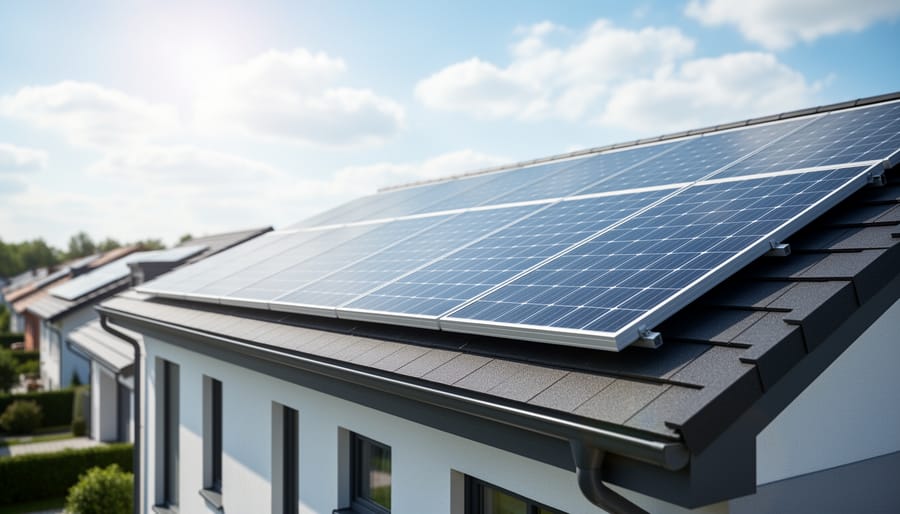
Solar energy solutions in the United States are shifting ground in 2026. Homeowners looking to install solar will find the federal residential tax credit has expired as of December 31, 2025, fundamentally changing the financial equation for household solar adoption. Commercial property owners, however, still have a clear incentive path: the Section 48E Investment Tax Credit offers 30% back on system costs and can climb to 70% with bonus adders for projects that begin construction by July 4, 2026, or are placed in service by December 31, 2027.
This timing matters. Whether you’re evaluating rooftop panels for your business or exploring battery storage and energy independence for your home, understanding what incentives remain and how solar installations deliver long-term savings separates informed decisions from costly missteps. Solar technology continues to advance, installation costs have stabilized, and proven environmental benefits remain constant. Companies like Solar Holler now offer free assessments to help property owners model returns based on actual energy usage and site conditions.
The opportunity hasn’t vanished. It has simply become more nuanced, requiring commercial buyers to act within a defined window and residential buyers to weigh savings through electricity bill reduction, property value gains, and state or local programs rather than federal tax relief.
The 2026 Solar Incentive Landscape: What Changed and What’s Still Available
What Homeowners Should Know Now
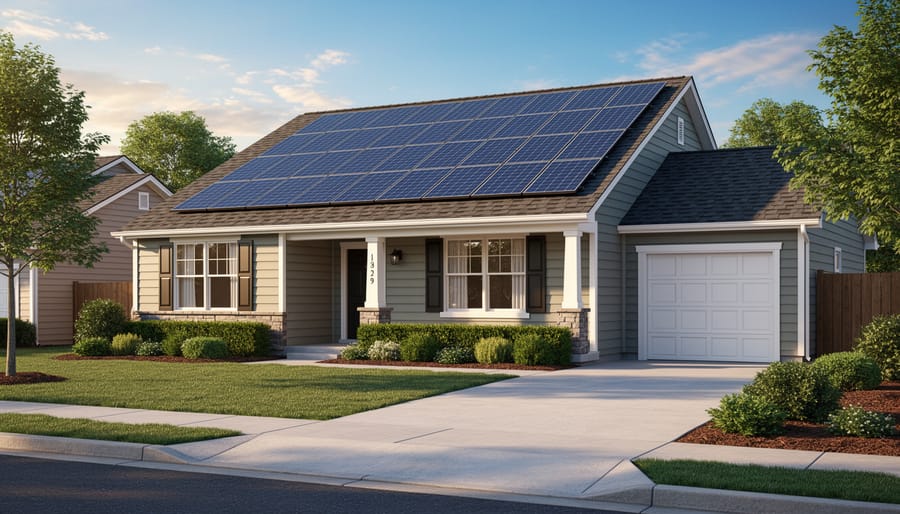
Without the federal tax credit, homeowners now rely on a different mix of financial incentives to make solar worthwhile. Net metering programs remain active in most states, crediting you for excess energy your panels send back to the grid, often at full retail rates. These credits offset your electricity costs during cloudy days or at night, shrinking your monthly bills year-round.
Many states and municipalities offer their own rebates, property tax exemptions, or performance-based incentives that survived the federal credit’s expiration. Check your state energy office and local utility websites for current programs; some jurisdictions still provide thousands of dollars in direct rebates or long-term payment structures tied to your system’s output.
The core value proposition hasn’t disappeared. Solar panels still slash your grid dependence, locking in predictable energy costs while utility rates climb. Over a typical 25-year panel lifespan, cumulative savings often dwarf the upfront investment, even without the 30% federal kickback. You’re paying today’s price to avoid decades of rate hikes, and you’re cutting fossil fuel consumption with every kilowatt-hour your roof generates. A free solar assessment can quantify these savings for your specific property and help you identify which state or local incentives apply.
Commercial Property Owners: Act Before the Deadline
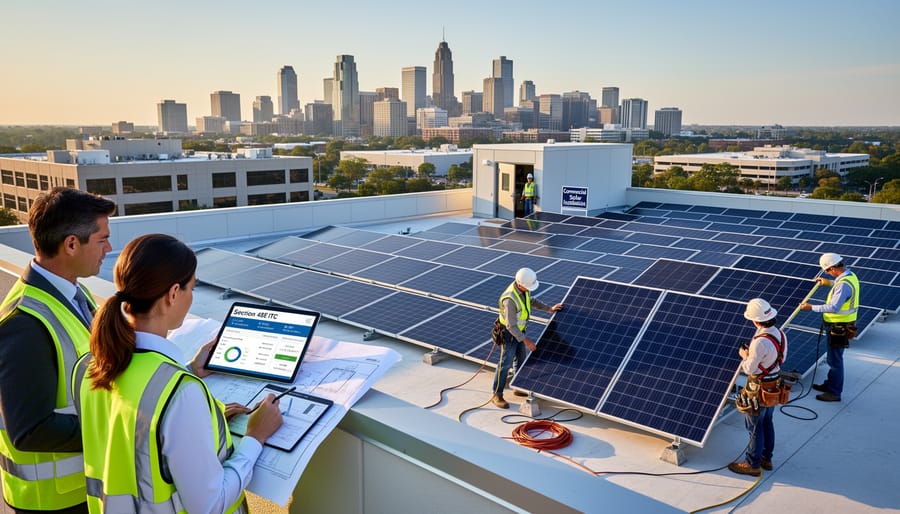
Commercial property owners face tight deadlines to capture substantial federal tax credits in 2026. The Section 48E commercial Investment Tax Credit offers a base rate of 30% for qualifying solar installations, but the window to start construction closes July 4, 2026. Systems must be placed in service by December 31, 2027 to qualify.
The 48E credit becomes significantly more valuable through bonus adders that can push the total credit to 70%. Energy communities qualify for an additional 10%, while projects meeting domestic content requirements add another 10%. The most substantial boost, a 20% increase, comes from the Justice40 Initiative for solar installations in designated environmental justice communities. Combined with the base 30% credit, these adders can deliver a 70% federal tax credit on the total project cost.
The construction start deadline requires careful planning. Your solar provider must demonstrate physical work has begun or that you’ve spent at least 5% of the total project cost by July 4, 2026. Missing this date eliminates access to the credit entirely. Business owners should initiate assessments and design work now, as permitting, engineering, and procurement timelines vary by jurisdiction and equipment availability.
Strategic timing matters. Projects completed in 2026 or early 2027 not only secure the credit but also begin generating energy savings sooner, accelerating payback periods. The placement-in-service deadline gives some flexibility for larger installations, but starting construction early reduces risk.
Core Solar Energy Solutions Offered by US Providers
When evaluating solar energy solutions in 2026, homeowners and business owners will encounter four core service offerings from established providers like Solar Regeneration: professional installation, custom system design, energy storage integration, and complimentary property assessments. These services form the foundation of transitioning to solar power while ensuring systems perform reliably for decades.
Professional Solar Installation
The backbone of any solar solution is the installation itself. Certified Solar Professionals handle every phase, from roof mounting and electrical integration to grid connection and final inspection. Quality installers prioritize structural integrity, waterproof sealing, and code compliance while maintaining the aesthetic appeal of your property. Understanding solar installation cost helps set realistic budgets, but the expertise behind that investment determines whether your system delivers promised returns. Reputable providers carry NABCEP certification and offer 25-year warranties on both equipment and workmanship, protecting your investment against defects and performance degradation.
Custom System Design
No two properties share identical energy needs or physical constraints. Professional providers conduct thorough site assessments measuring roof pitch, orientation, shading patterns, and structural capacity. They calculate your historical energy consumption and design systems sized to match actual usage rather than overselling capacity. Custom design accounts for future expansion possibilities, local utility interconnection requirements, and aesthetic preferences that matter to property owners who want solar panels that complement rather than detract from curb appeal.
Energy Storage Solutions
Battery systems have become integral to modern solar installations, storing excess daytime generation for evening use. This maximizes self-consumption and provides backup power during grid outages. Commercial clients especially benefit from storage systems that reduce demand charges and shift energy use to off-peak hours.
Free Solar Assessments
Most providers offer no-obligation property evaluations that analyze solar potential, estimate production, and outline financial returns. These assessments clarify whether your property suits solar without upfront commitment.
How Solar Solutions Reduce Energy Costs and Fuel Consumption
Solar panels generate electricity by converting sunlight into usable energy, directly offsetting the amount of power you would otherwise purchase from the grid. Every kilowatt-hour your system produces is one less you pay for at utility rates, which translates into lower monthly bills for homeowners and reduced operating costs for businesses. Understanding how solar savings work starts with this simple principle: self-generated power costs nothing once your system is installed and operational.
For commercial clients, the savings multiply at scale. Larger roof areas and higher daytime energy consumption mean solar arrays can cover a significant portion of operational demand, especially during peak hours when grid electricity is most expensive. Over time, these reductions compound into substantial annual savings, improving profit margins and providing budget predictability that protects against rising utility rates.
Energy storage systems amplify these benefits by capturing excess solar generation during the day and storing it for use during evening hours or periods of low sunlight. This maximizes self-consumption, reduces grid reliance even further, and can eliminate demand charges for commercial properties that pay based on peak usage. For both residential and commercial clients, pairing solar panels with battery storage creates a more resilient, cost-effective energy solution that operates independently of external fuel sources.
Beyond direct cost savings, solar energy decreases overall fuel consumption by displacing electricity that would otherwise come from fossil-fuel-powered plants. Each kilowatt-hour generated by your panels means less coal, natural gas, or oil burned elsewhere in the grid. This reduction in fuel dependency not only lowers your carbon footprint but also insulates you from volatile fuel prices and supply disruptions that drive utility rate increases.
The Solar Installation Process: What to Expect
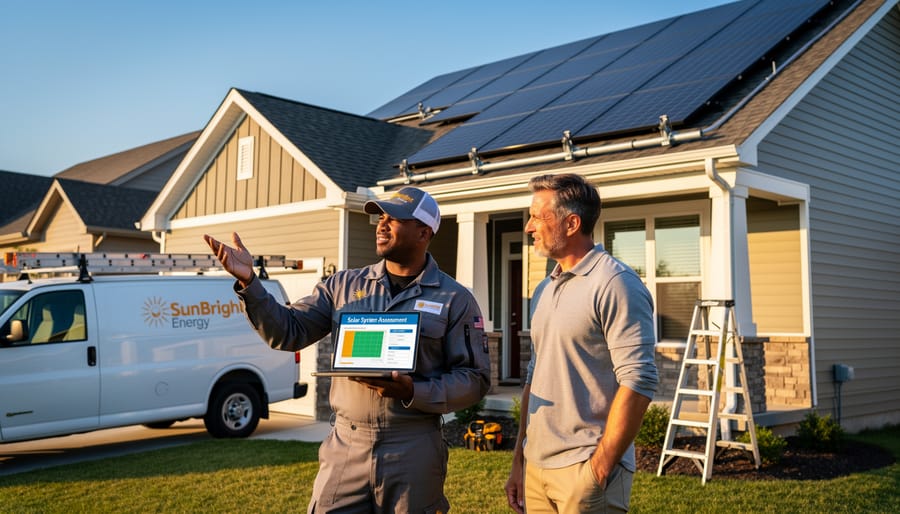
The solar installation journey typically spans several weeks to a few months, depending on project complexity and local permitting timelines. Here’s what residential and commercial clients can expect when working with professional solar providers.
The process begins with a comprehensive site assessment. A Certified Solar Professional evaluates your property’s solar potential, examining roof condition and orientation, shading patterns throughout the day, and current energy consumption. This initial consultation is typically offered at no cost and establishes whether solar makes financial sense for your specific situation.
From assessment to activation, the solar energy process follows a structured path:
- Initial Consultation and Assessment: Professional evaluation of your property, energy needs analysis, and preliminary system sizing. The installer reviews your utility bills, measures available installation space, and identifies any structural considerations.
- Custom System Design: Engineers create a detailed plan optimized for your energy goals and property constraints. For residential clients, this includes aesthetic integration to complement your home’s appearance. Commercial designs prioritize maximizing the 48E tax credit while meeting operational energy demands.
- Permitting and Approvals: Your installer handles all required permits, utility interconnection applications, and local building department approvals. This administrative phase often takes the longest but requires minimal involvement from property owners.
- Professional Installation: Certified teams mount racking systems, install panels, run electrical connections, and integrate inverters and optional battery storage. Residential installations typically complete in one to three days; commercial projects may take one to several weeks depending on system size.
- Inspection and Activation: Local authorities and utility companies inspect the completed system. Once approved, your installer activates the system and provides training on monitoring production and understanding your new energy flow.
Throughout this process, reputable providers maintain clear communication about timeline expectations and next steps. Most installations come with comprehensive warranties covering equipment (typically 25 years for panels, 10-15 years for inverters) and workmanship guarantees protecting against installation defects.
For commercial clients pursuing the 48E credit before the July 4, 2026 construction deadline, starting the assessment process now ensures adequate time for design, permitting, and meeting IRS safe harbor requirements.
Real-World Success: How Solar Is Transforming Energy Use
Solar energy solutions are delivering measurable results for property owners across the United States, transforming how they consume energy and manage operating costs. The impact shows up clearly in utility bills, environmental metrics, and financial returns.
A family-owned retail store in the Southwest installed a 50-kilowatt commercial system in early 2025, securing the Section 48E tax credit before the residential credit expired. Within the first year of operation, the system cut their electricity costs by 68 percent, shifting their monthly expenses from grid dependence to self-generated power. The owner reported a projected payback period of 5.8 years, factoring in the commercial credit and ongoing savings. Beyond the financial gains, the installation offsets roughly 38 tons of carbon dioxide annually, equivalent to removing seven passenger vehicles from the road.
Residential clients continue to see substantial benefits even without the federal residential credit. A homeowner in the Mid-Atlantic region installed a 9.2-kilowatt rooftop system through a provider offering net metering and state incentives. After one full year, household electricity bills dropped by 82 percent. The system generates enough surplus energy during peak production months that credits roll forward, covering winter consumption. Over the system’s 25-year warranty period, the homeowner expects to save more than $42,000 in avoided utility costs while reducing reliance on fossil fuel-based grid power.
These examples reflect a consistent pattern: solar installations deliver immediate cost reductions, predictable long-term savings, and tangible environmental progress regardless of property type.
Common Questions About US Solar Energy Solutions
With the residential solar credit expired and the commercial credit still available, many questions arise about solar adoption in 2026. Here are the answers to the most common concerns about solar energy solutions for both residential and commercial properties.
Can I still get financial incentives for solar in 2026?
Homeowners no longer have access to the federal residential solar credit, which expired December 31, 2025, but can still benefit from net metering, state and local incentives, and long-term energy savings. Commercial property owners can claim the 48E Investment Tax Credit at 30% (up to 70% with bonus adders) for projects that begin construction by July 4, 2026 and are placed in service by December 31, 2027.
How long do solar panels last?
Quality solar panels typically carry 25-year performance warranties and can continue producing electricity for 30 years or more. System components like inverters may need replacement after 10-15 years, but panels themselves degrade slowly, losing only about 0.5% efficiency per year.
What maintenance does a solar system require?
Solar panels need minimal maintenance, primarily keeping them clean and free of debris. Most systems require only periodic inspections and occasional cleaning, especially in dusty or high-pollen areas, with no moving parts to wear out.
How do I know if my property is suitable for solar?
A free solar assessment evaluates your roof condition, sun exposure, shading from trees or buildings, and available space. Properties with south-facing roofs and minimal shading are ideal, though ground mount solar systems offer excellent alternatives when roof installations aren’t optimal.
Financing solar in 2026 without the residential credit still includes cash purchases, solar loans, and lease or power purchase agreements (PPAs) that require no upfront investment. Many lenders structure solar loans to ensure monthly payments are lower than previous electricity bills, creating immediate positive cash flow. Commercial clients benefit not only from the 48E credit but also from accelerated depreciation schedules that improve project economics significantly.
Solar energy solutions remain a smart investment in 2026, even as the federal incentive landscape shifts. While residential homeowners no longer have access to the Section 25D tax credit, long-term energy savings, net metering programs, and local incentives still deliver compelling financial returns. The environmental benefits, reduced carbon emissions and decreased reliance on fossil fuels, haven’t changed, and neither has the proven ability of solar to cut monthly utility costs for decades to come.
For commercial property owners, the window is closing fast. The Section 48E commercial Investment Tax Credit offers 30% back, potentially rising to 70% with bonus adders, but only for projects that begin construction by July 4, 2026, or are placed in service by December 31, 2027. This deadline makes 2026 a critical year to act. Delaying means leaving substantial savings on the table.
Whether you own a home or manage commercial property, the first step is understanding what’s possible for your specific situation. A free solar assessment clarifies your energy use, roof suitability, and potential savings without obligation. Solar technology has never been more reliable or efficient. The question isn’t whether solar makes sense, it’s whether you’ll take advantage of the incentives and savings still available right now.